
Practical guides on web design, SEO, AI SEO, Google Ads and getting found online — written for Australian businesses.
Conversion rate optimisation for Sydney small businesses: what CRO is, typical 2026 audit and retainer costs, the fixes that work, and how we build it in.
What a content marketing agency in Sydney does, typical 2026 retainer and per-piece costs, what to expect each month, and how WebGlobals delivers it.
Link building for Sydney businesses in 2026: the links a local business can realistically earn, what they cost, offers to refuse, and how we build them.
SEO copywriting in Sydney explained: what an SEO copywriter does, 2026 rates per page and article, how to brief one, and how it fits our SEO packages.
Hiring an SEO freelancer in Sydney or an agency? Typical 2026 rates, what each does well, the questions to ask, and which one fits a small business.
Facebook and Instagram ads cost in Australia for 2026: typical CPM, cost per click and cost per lead, minimum budgets and agency management fees.
What Google Ads costs in Australia in 2026: cost per click by industry, minimum budgets, management fees, and how to work out your cost per lead.
WordPress, Wix and Squarespace compared for Australian businesses: ease of use, flexibility, running costs and who actually owns the site you build.
Website and web development costs in Australia for 2026: $450 static sites, $750 to $2,400 WordPress builds, e-commerce from $900, plus ongoing costs.
How to register a web address in Australia: .com.au eligibility, choosing a name, where to register, costs and renewals, and why you must own the domain.
The AI SEO tools worth using in Australia in 2026, the categories that matter, where AI content generators go wrong, and how to choose without wasting money.
SEO builds lasting organic rankings, Google Ads buys visibility today. The real trade-offs, why most Australian businesses need both, and where to start.
How to register a business name in Australia through ASIC Connect: what you need first, the steps, the difference from a company or trade mark, and renewals.
How Google Shopping ads work for Australian stores: the Merchant Center product feed, what a good feed looks like, and how to budget and manage the campaigns.

Generative Engine Optimisation shapes how ChatGPT, Gemini and Perplexity describe your brand. How GEO differs from SEO and AEO, and how to get started.
How to claim, verify and optimise your Google Business Profile: categories, consistent contact details, photos, posts and the reviews that win local search.
How to apply for an ABN free through the Australian Business Register: what you need before you start, the steps, and how to avoid third-party fee sites.
Shopify plans and pricing in Australia for 2026, GST on online sales, payments and shipping for Australian stores, plus Shopify versus WooCommerce.
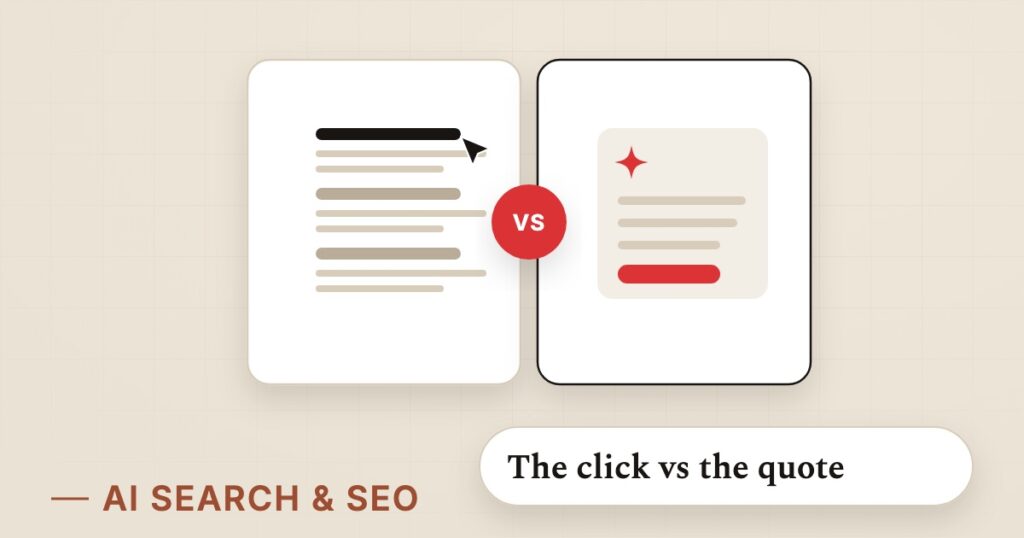
SEO earns the click, AEO earns the quote. What changed with AI Overviews and assistants, how the two differ, and what Australian businesses should do about it.
When Australian audiences are actually on Instagram, why the published best times are only a starting point, and how to find your own with Instagram Insights.
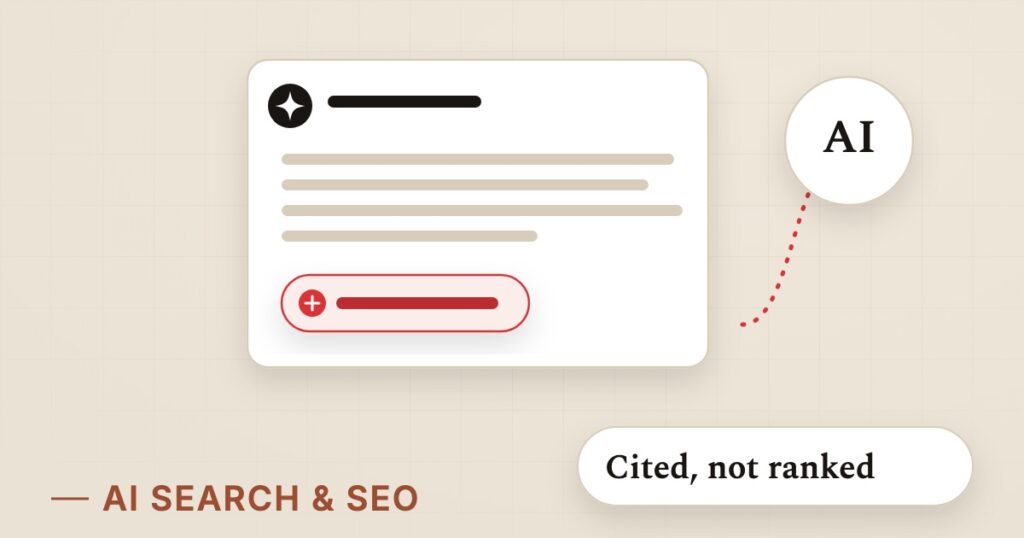
You cannot rank in ChatGPT, but you can be cited. Answer-first content, structured data and consistent business details, explained for Australian businesses.
How to set up business email on your own domain in Australia: Google Workspace vs Microsoft 365, the setup steps, and getting your mail delivered reliably.

AI SEO means optimising your site to be cited by ChatGPT, Google AI Overviews and Gemini, not just ranked. What it involves and why it matters in Australia.
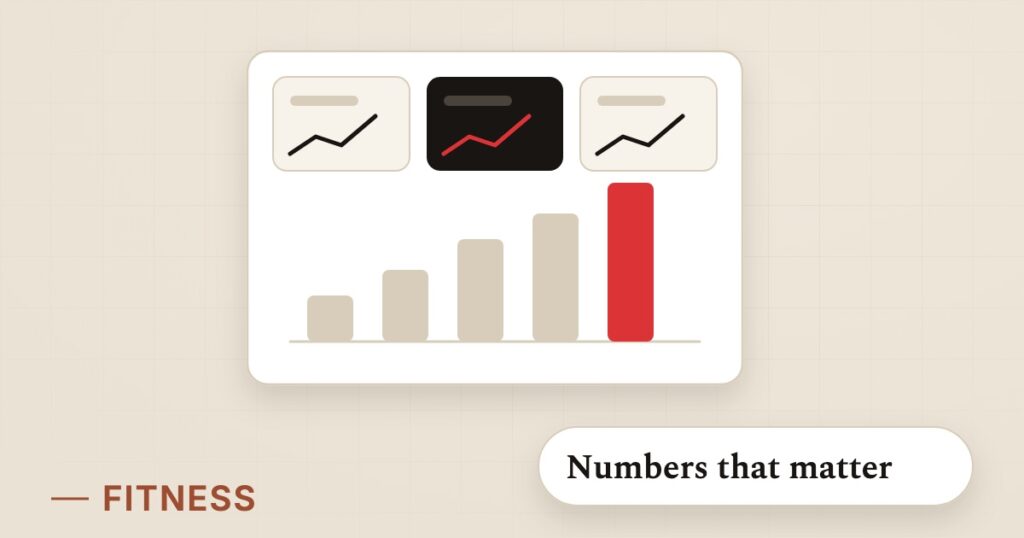
Website visits and impressions feel like progress but rarely are. The fitness business numbers worth tracking, starting with conversion rate.
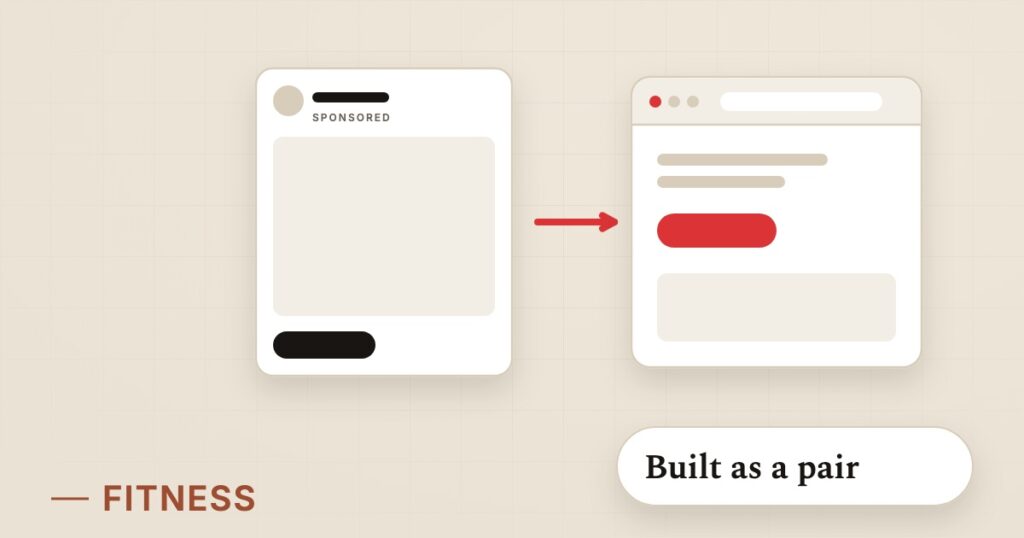
Ads and landing pages only work as a pair. How Australian fitness businesses stop paying for traffic that lands somewhere it cannot convert.

Video has gone from luxury to expectation in fitness. How it shows what makes a facility different, and builds trust through transparency.
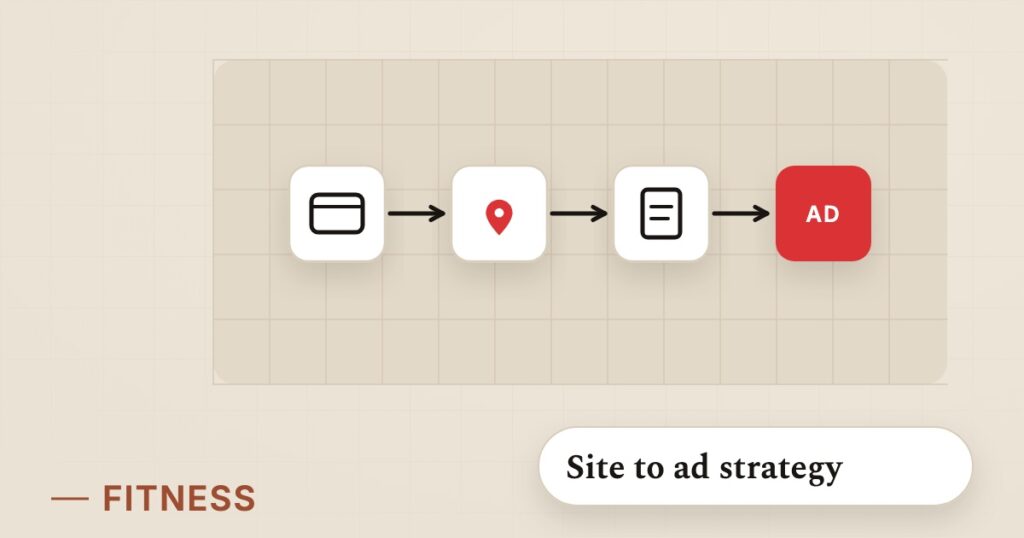
How the pieces fit together for a fitness business: the website as a storefront, local SEO for your area, and content that builds authority.

In a market full of instant-transformation promises, trust is the scarce thing. Which channels to focus on, and how content turns readers into clients.
Email is a direct line to members between visits. How an Australian fitness studio grows a list and writes emails people actually open.
Fitness content has moved from perfect poses to real people. How studios build an interactive community rather than just a follower count.
Nobody drives interstate for a Pilates class. Why local Google rankings decide a fitness business, and how to capture high-intent local search.
A booking system that sells while you sleep, reviews that answer the trust question, and mobile design that meets members where they are.
Attracting members is only half the job. The conversion work that turns gym website visitors into sign-ups, starting with a simpler join process.
Work out what a lead really costs you, then target precisely rather than broadly. How fitness studios cut cost per lead without losing quality.
Word of mouth only reaches so far. How to claim a Google Business Profile and target local keywords so your own suburb can actually find you.
A gym website is usually the first contact a member has with you. How first impressions and strategic content turn browsing into enquiries.
Members research online before they ever walk in. What converts a visitor into a membership, and why mobile performance decides most of it.
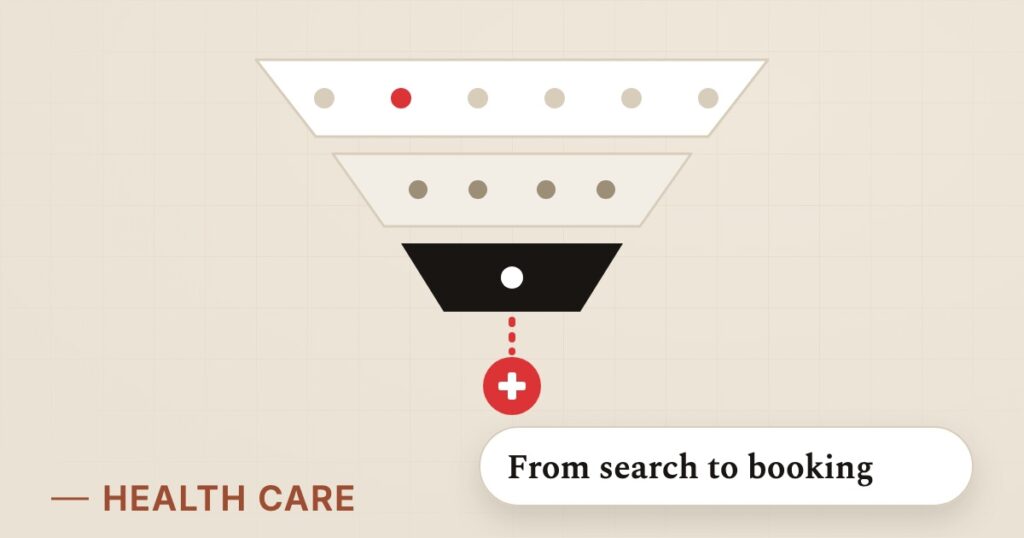
Two clinics, one patient, and the difference is usually digital. A practical guide to patient acquisition for Australian healthcare providers.
Most patients check search before booking. Which digital marketing numbers a health practice should track, and which ones to stop reporting.
Most clinics do not fail because the ads are poor, but because they scale the wrong things. A framework for growing spend without wasting it.

Trust matters more in aged care than almost anywhere. How local SEO and website design work together so families find you and believe you.
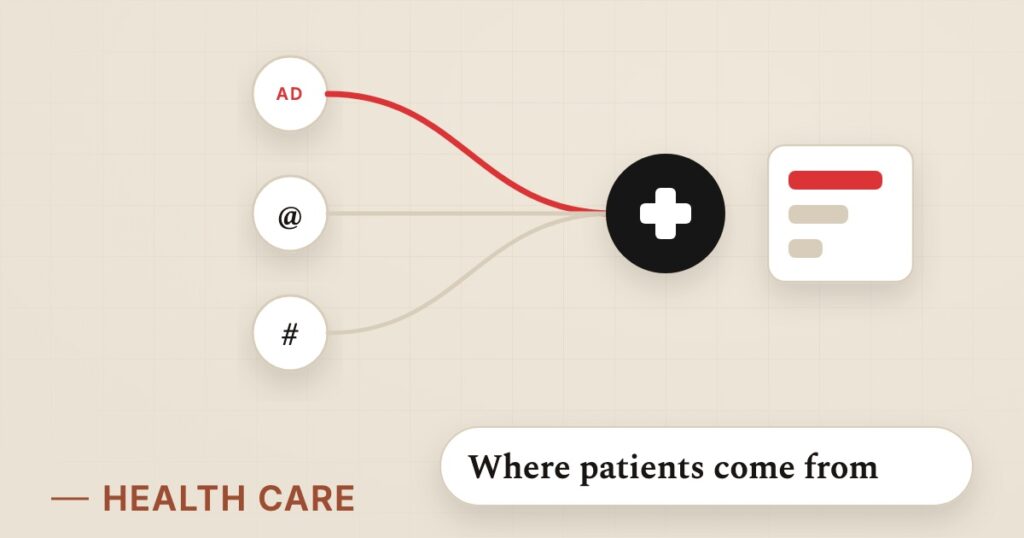
Why last-click attribution misleads a practice, what the other models show, and how to find out where your patients genuinely came from.
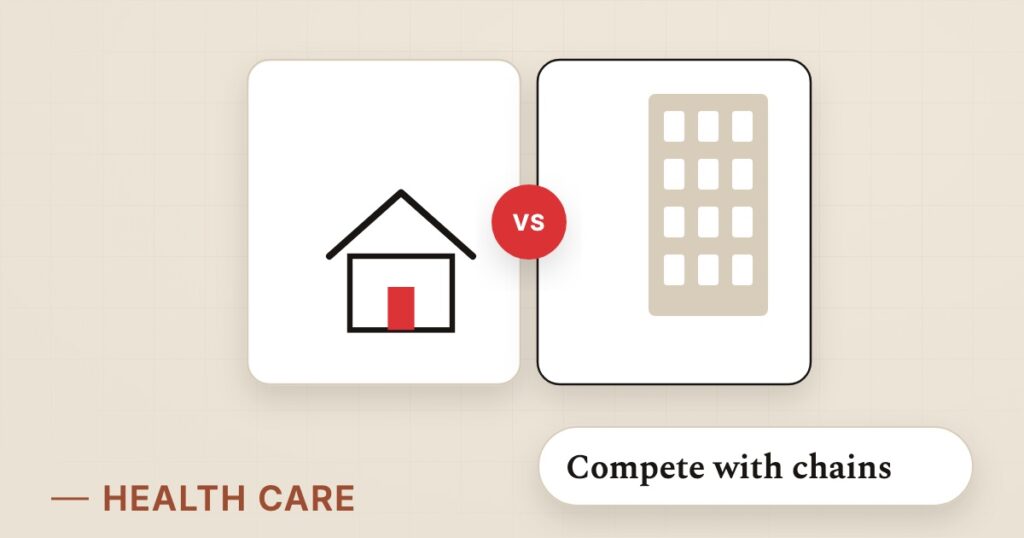
Corporate chains have scale, but independent practices have advantages worth using. Where digital marketing closes the gap for a single clinic.
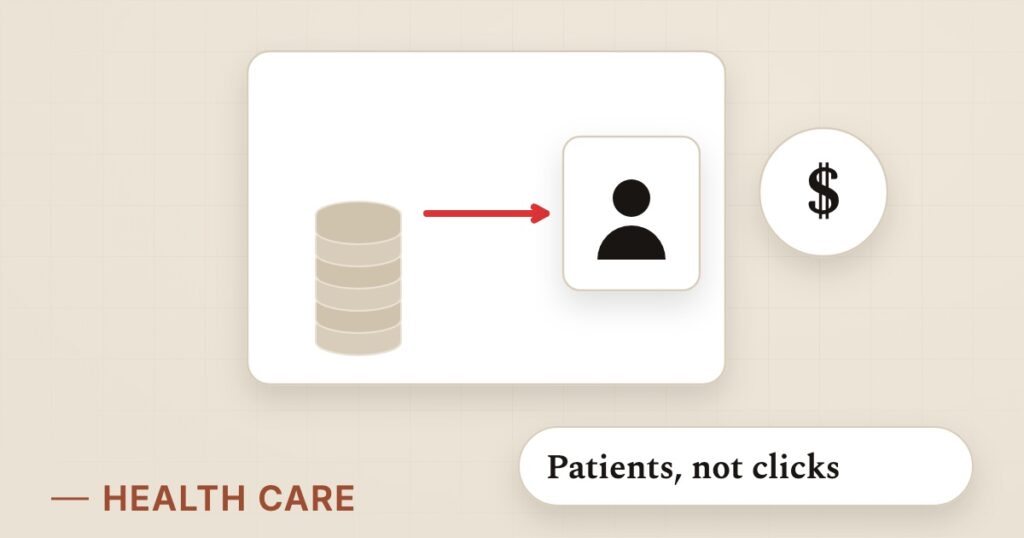
A thousand clicks and no appointments is a failure. How to calculate cost per acquisition for a practice, and why it beats counting clicks.

Telehealth adoption in Australia jumped forward by years. How to be visible, and how mobile-first design turns browsers into booked patients.

Marketing care is not marketing product. An ethics-first approach to a mental health website: transparency, accessibility and sensitive design.
What a slow, dated practice website actually costs: lost enquiries, weakened credibility, and patients who chose the clinic that loaded first.
A modern website and local SEO reinforce each other for a healthcare practice. What each one contributes, and why neither does much alone.
The patient journey starts long before the appointment. What a patient-centric website and steady content marketing look like in practice.
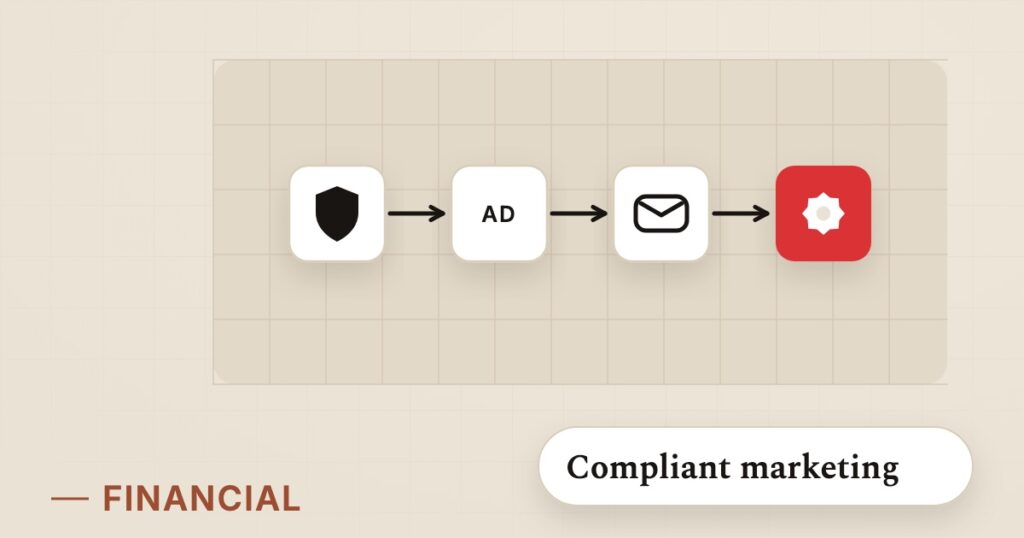
A practical guide to digital marketing for Australian financial services: compliant content, Google Ads, social, email and marketing automation that win trust.
Cost per lead, cost per acquisition, return and conversions: marketing measured with the same discipline an accountant applies to a ledger.
Scaling is sharper execution, not a bigger budget. The risks of scaling too fast, and how to pace spend so the results hold as you grow.
Most prospects who leave are hesitating, not rejecting. How retargeting on Google and social brings them back when they are ready to decide.
Why attribution is difficult in financial services, the models available, and how to stop guessing which campaigns actually bring in clients.
Brokers cannot outspend the banks on visibility. How performance marketing shifts the contest to paid search and social, where budget matters less.
What cost per acquisition is, how to calculate it, and why the gap between clicks and clients matters most where each relationship is long term.
Common mistakes on finance websites, and the conversion work that fixes them: forms people will finish, clear calls to action, honest navigation.
Where each platform earns its place for a finance business, what LinkedIn does well, and how to judge return rather than guess at it.
Why cost per lead climbs for mortgage brokers, and how smarter keyword targeting brings it down without filling the pipeline with poor enquiries.
What local SEO means for finance professionals, why it matters more than it used to, and how to appear when someone searches in your area.
How Australian real estate agencies market themselves online in 2026: website, suburb SEO, listing ads, social, email, reviews and mistakes to avoid.
An adviser website is a trust signal, not a brochure. What clients actually look for, including security, and why appearance alone will not convert.
Clear navigation, real search tools, mobile-friendly design and speed. What separates a real estate website that works from one that looks good.
How each referral builds momentum, and the digital tools that make asking for and tracking referrals routine rather than an afterthought.
First impressions now happen before you speak: how reviews and listings shape an agent's reputation, and how to track what is being said.
Blog topics that educate and convert for agencies, developers and property managers, and why content earns trust before a listing ever does.
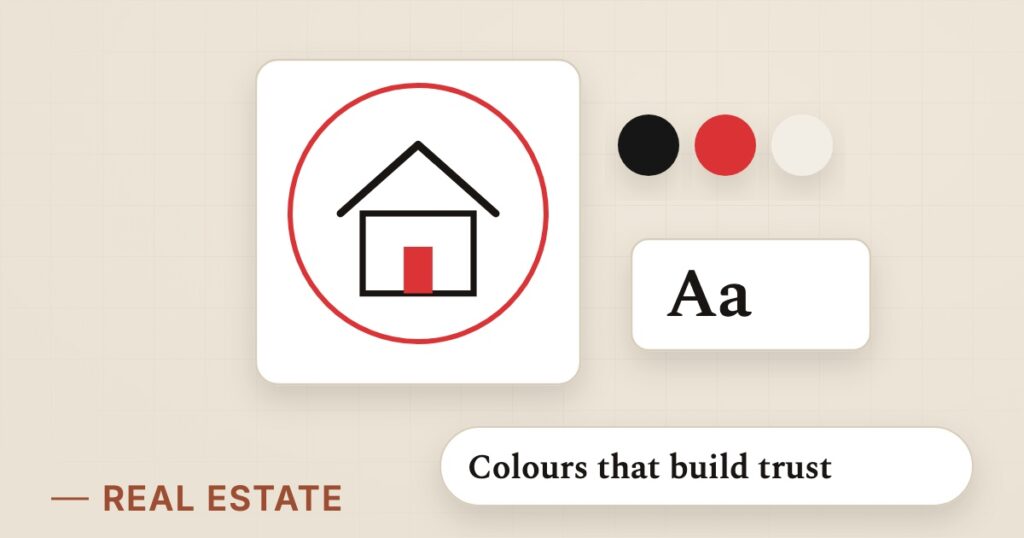
Real estate branding for Australian agents and agencies: logo, colour palette, typography, personal versus agency brand, and design that builds trust.
Why response time decides who wins the listing, and how email automation and chatbots qualify enquiries while you are with other clients.
Where reviews matter most for agents, how they shape a buyer or seller decision, and how to earn more of them without pestering anyone.
How to advertise real estate on Facebook and Instagram: targeting buyers and vendors, carousel, video and lead form ads, creative, budgets and tracking.
Why Google Ads suits property, which campaign types work for agents, and how to build a search campaign that brings enquiries not just clicks.
How buyers actually search for property, why you may not be appearing, and how to set up a Google Business Profile that puts you in results.
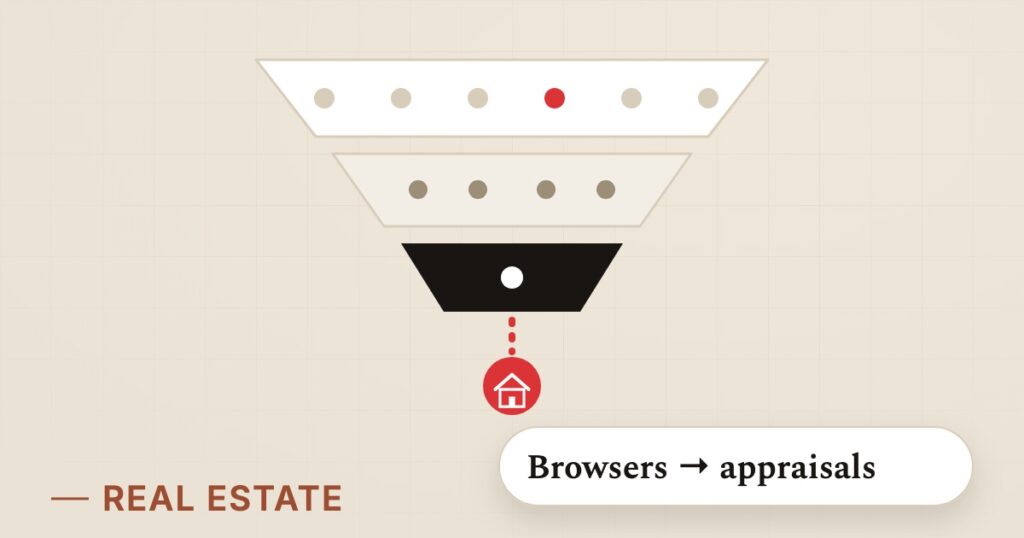
What conversion means in property marketing, and the features a real estate website needs before local knowledge and good agents can show.
How handyman businesses get found and booked: a website that converts, a Google Business Profile, local SEO for your suburbs and reviews that build trust.
Why referrals are the best leads you get, and how to build a simple digital system so asking for them stops being awkward or forgotten.
How to know what is being said about your trade business online, the tools that track it, and how to respond when it is not flattering.
Blog, video and photo ideas for trades: before and after projects, tool talk and product comparisons that show expertise rather than claim it.
Consistent branding is what gets you remembered and recommended. What your logo and colours say about a handyman business locally.
What to test on social media, from images to captions to posting times, and how to read the result without fooling yourself.
Engagement rate, reach, impressions, saves and shares, and how to tell an actionable metric from one that only looks impressive.
Why response speed wins the job, and how chatbots and email automation handle questions, quotes and reminders while you are on the tools.
Set goals worth measuring, then use UTM links and analytics to follow someone from a click all the way through to a conversion.
Most customers Google your name before they ring. What your reviews say at that moment decides the job, and how to ask for more without nagging.
Turning one blog post into carousels, infographics and reels, and why repurposing also builds SEO value rather than just filling a feed.
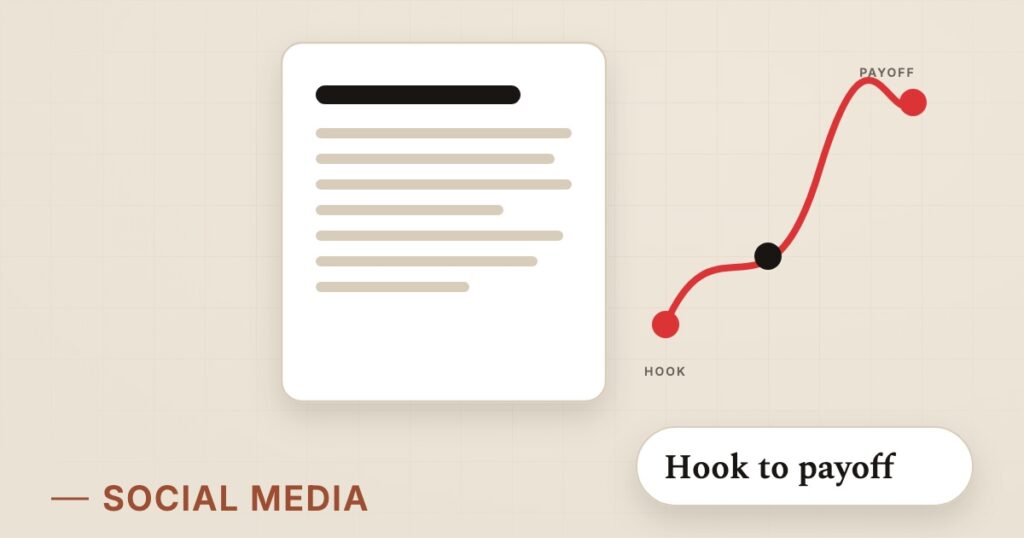
Why stories outperform announcements, and the hook, conflict, resolution structure that makes a social post land in a few seconds.

Which ad formats work for a trade business, and how video and carousel ads show the real work rather than another stock photo.
Social media caption examples that convert, with the structure behind them: hook, value, call to action, hashtags, A/B testing and real brand examples.
Google Ads for tradies: suburb targeting, call extensions, ad scheduling for peak hours, the mistakes that waste budget, and what a managed account costs.
Tools for designing social media graphics in 2026, from Canva and Adobe Express to Figma, with templates, brand kits and sizing tips for each platform.
Before automation or AI is worth anything, your information has to be in order. How a trades business structures client and job data.

How to plan social media without burning out: a calendar that fits your actual capacity, and the tools that keep it running week to week.
Whether X still works for thought leadership, and how threads and Spaces build credibility when used with structure rather than volume.
A step-by-step local SEO guide for trades: service plus suburb keywords, Google Business Profile, and being found where the work actually is.
How Facebook and Instagram advertising differ in audience, format and intent, and how to decide where a given campaign belongs.
Optimising your profile, then earning attention with thought leadership: sharing opinions, explaining hard things, and being useful first.
What a handyman website needs to convert: online booking, calls to action that work, and before and after photos that prove the work.
Why Reels drive growth, and how to read Instagram analytics beyond likes so your posting decisions are based on something real.
What PPC is and why it suits fast, targeted growth: every click, impression and conversion measurable, so spend can be adjusted as you go.
Google Shopping feeds, dynamic remarketing, seasonal planning and constant testing. What makes paid advertising work for an online store.
Mobile PPC is more than shrinking a desktop ad: mobile-focused keywords, device bidding, short copy and landing pages that load fast.
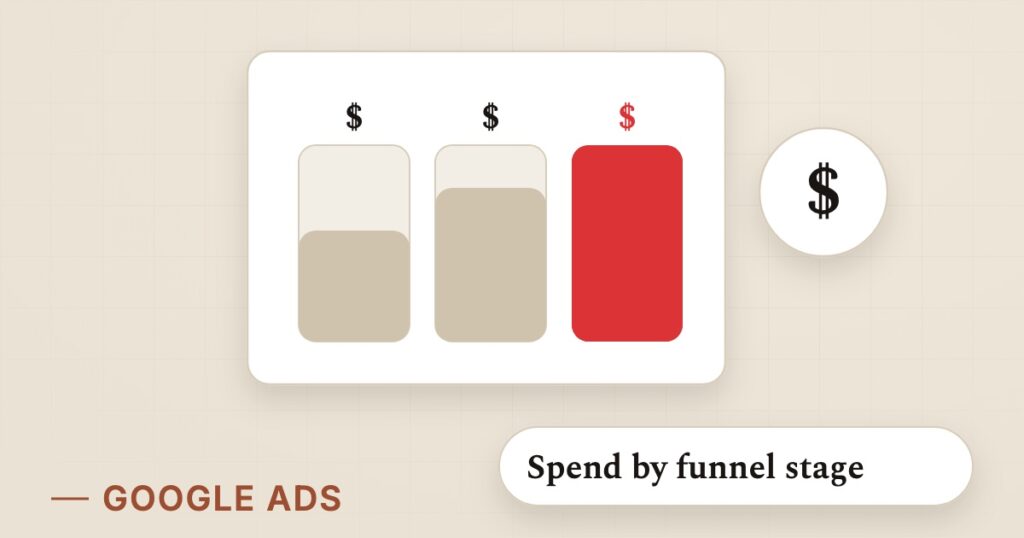
Start with goals rather than a number. How to split a PPC budget across funnel stages so the spend goes where the conversions are.
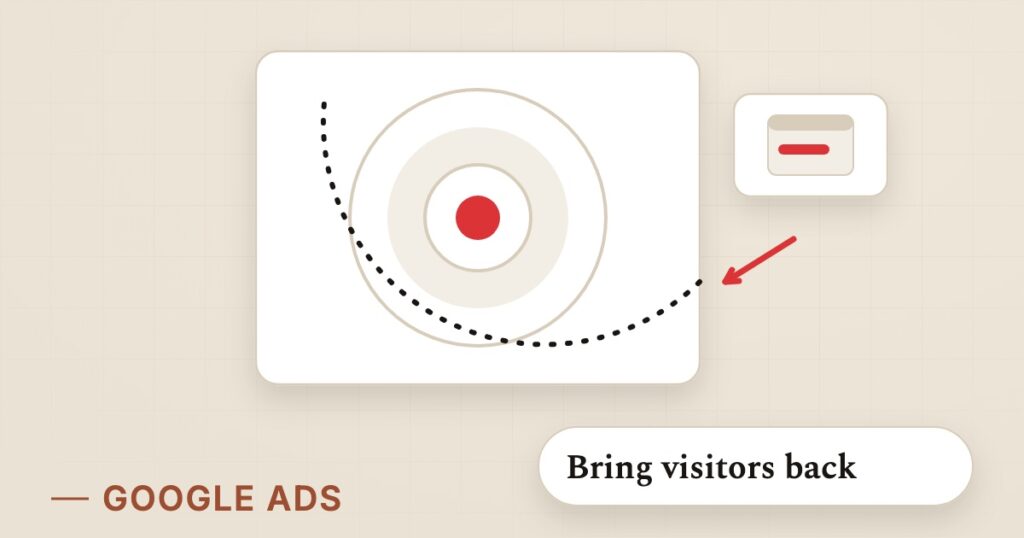
How retargeting works, why audience segmentation and timing matter, and how frequency caps stop your ads becoming an irritation.
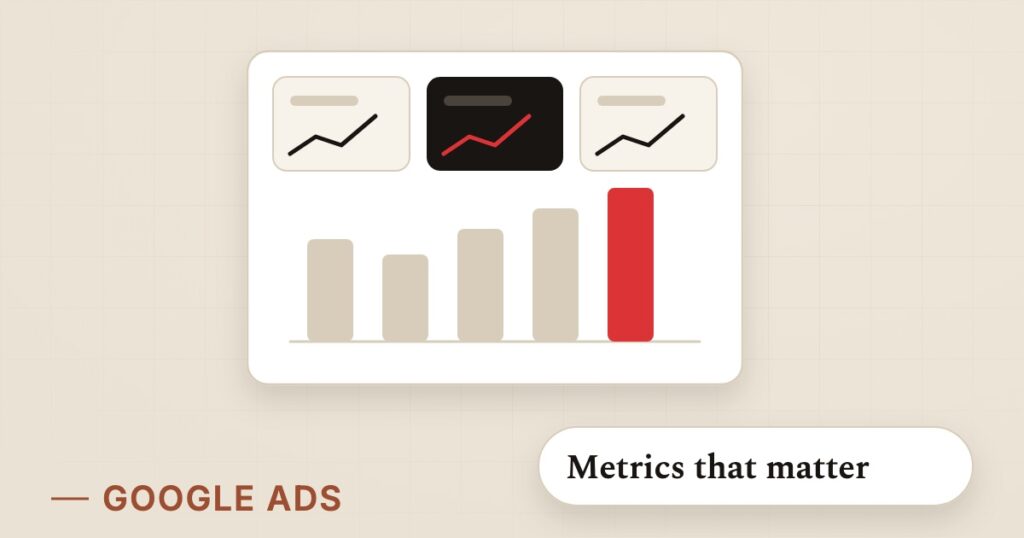
The metrics every PPC campaign should track, and why a custom dashboard beats the standard report for seeing what is actually working.
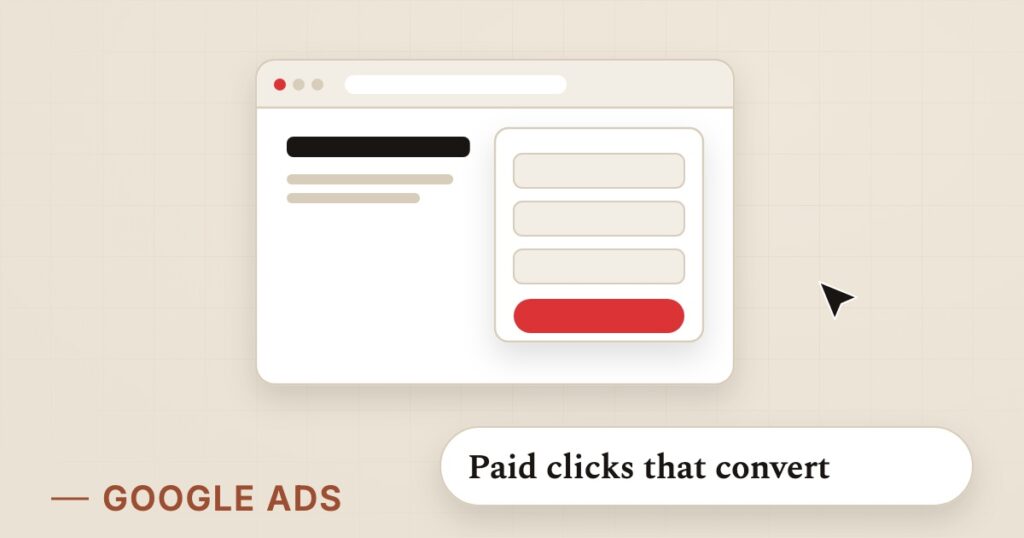
Match the page to the ad, remove the distractions, keep the form short and the call to action obvious. Landing pages that convert paid clicks.
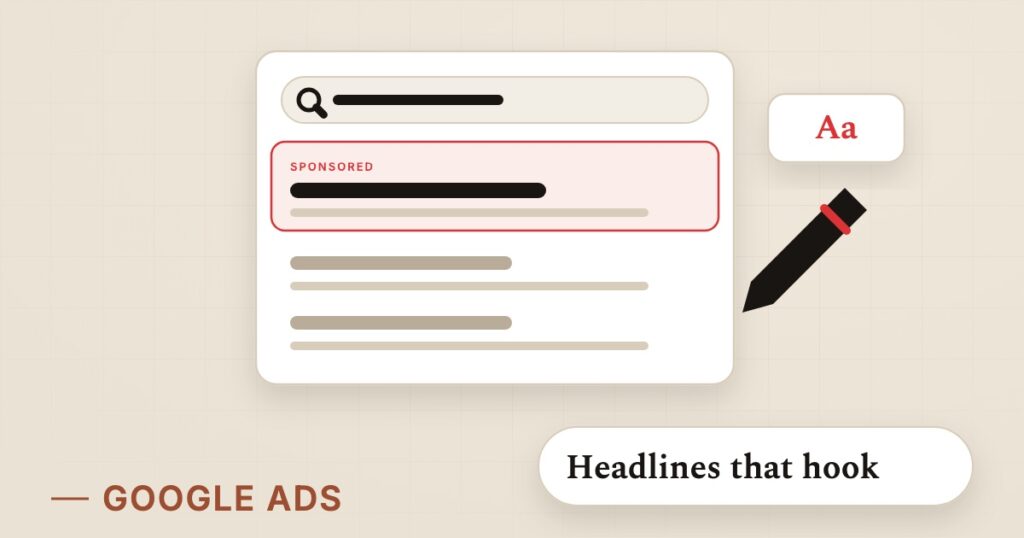
Headlines that hook, copy written for the searcher rather than the product, and language that matches what they actually typed in.
Manual bidding gives you control and automated bidding gives you scale. How to choose between them based on your goals and your time.
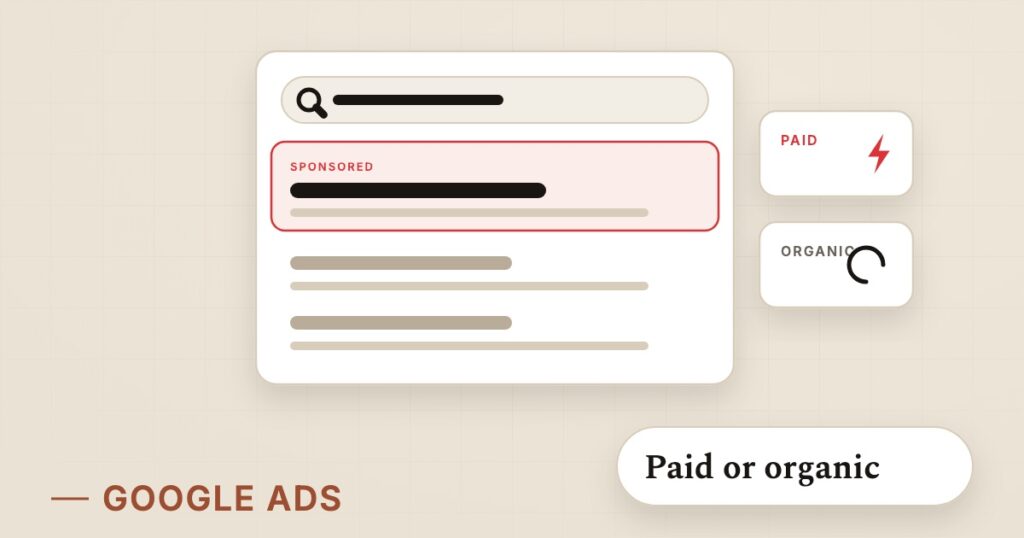
What PPC is, how it compares with SEO and organic traffic, and when paying for clicks makes more sense than waiting for rankings.
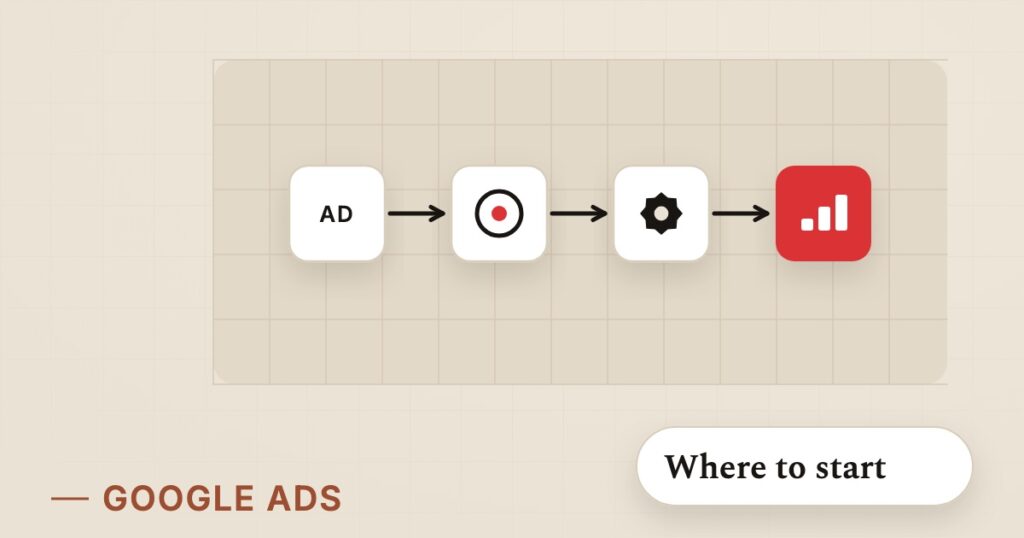
Campaign types, and the difference between Smart campaigns and Expert mode: where to start with Google Ads and what each option controls.
Duplicate content is not always a penalty, and one trusted backlink beats a hundred spammy ones. Common SEO myths worth unlearning.
How to measure whether SEO is working: which numbers matter, which are noise, and how to report progress in terms a business owner cares about.
Start with search intent and keyword research, then write for the reader. How to create content that ranks without sounding written for a robot.
Boost local visibility with local SEO: optimise your Google Business Profile, keep your NAP consistent, manage reviews and rank higher in Google Maps.
How backlinks build authority, how search engines judge trust, and ethical ways to earn links: guest posting, broken link outreach and more.
Title tags, meta descriptions and header structure, plus content that matches search intent. The on-page work that actually moves rankings.
How to choose keywords worth chasing: relevance, search volume and competition, with a step-by-step way to build your list.
Core Web Vitals, page load speed, mobile experience and structured data. The technical groundwork that lets the rest of your SEO work.
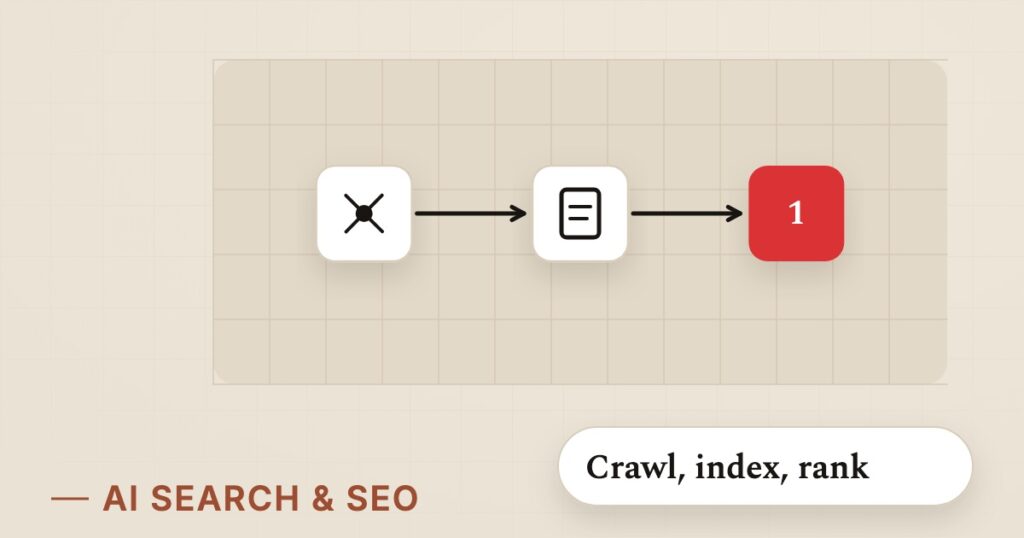
Crawling, indexing and ranking explained simply, and why understanding the three steps changes how you build and write your website.
What website maintenance covers, and why skipping it costs you: software updates, backups, performance, security and fresh content.

Customer trust, reputation and the cost of a breach. Why website security matters for a Brisbane business, and what protection looks like.
Audience targeting, keyword selection, ad copy and scheduling: four ways a Brisbane business gets more out of the same PPC budget.
Posting without a strategy, talking to everyone, selling constantly and never replying. Five social media mistakes worth avoiding.
Keyword research, on-page optimisation and Google Business Profile, explained from the start for a Brisbane business new to SEO.
First impressions, being found at all, reaching beyond your suburb, and the return a small Brisbane business should expect from a website.
User experience, mobile responsiveness, clear calls to action and SEO. The five things a Brisbane business website has to get right.
Local SEO, content worth reading and social media that builds an audience. Where a Canberra startup should spend first, and what can wait.
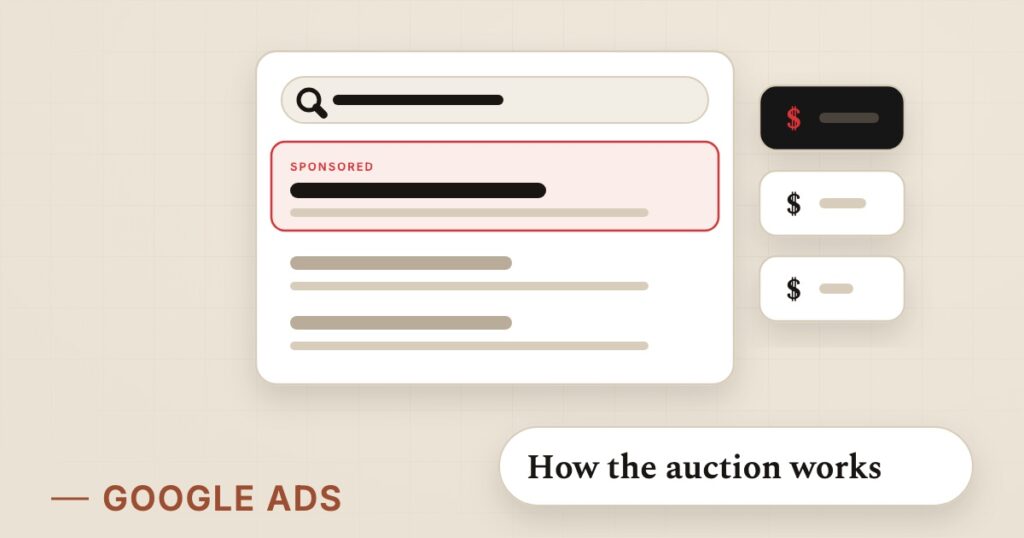
What PPC is, the terms worth knowing, how the auction works, and why it suits Canberra businesses that need enquiries quickly.
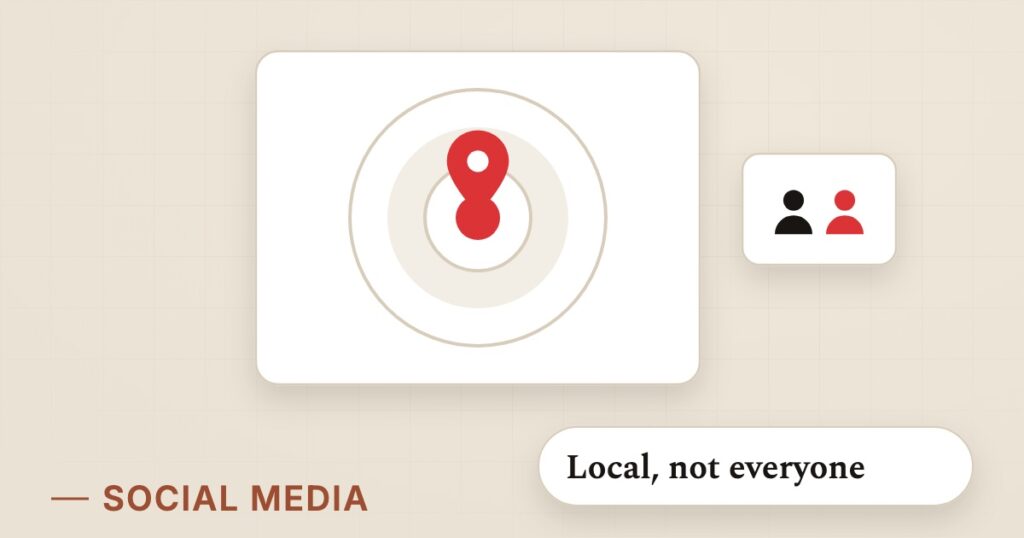
Know the local audience, budget sensibly, and make creative that stops the scroll. Targeted social advertising for a Canberra business.
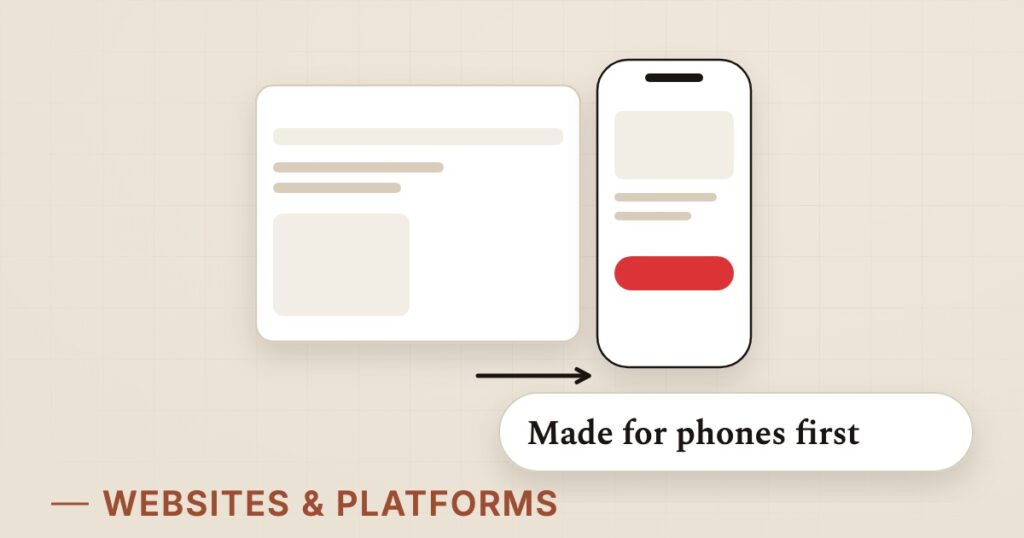
Most visitors arrive on a phone, and Google ranks mobile-friendly sites higher. What mobile-friendly actually means for a Canberra website.
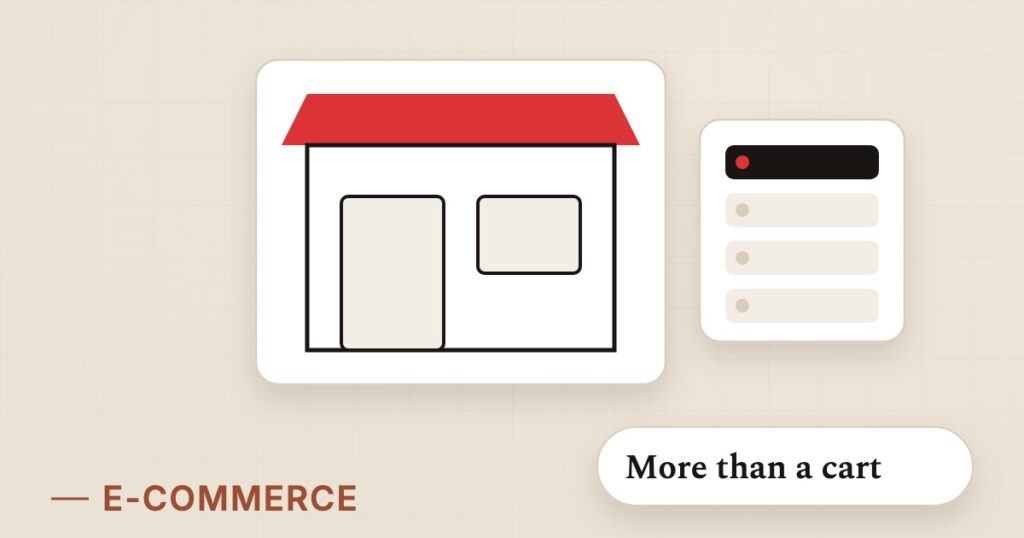
What an online store needs beyond a cart: inventory management, customer service, marketing tools and analytics. Launching e-commerce in Canberra.
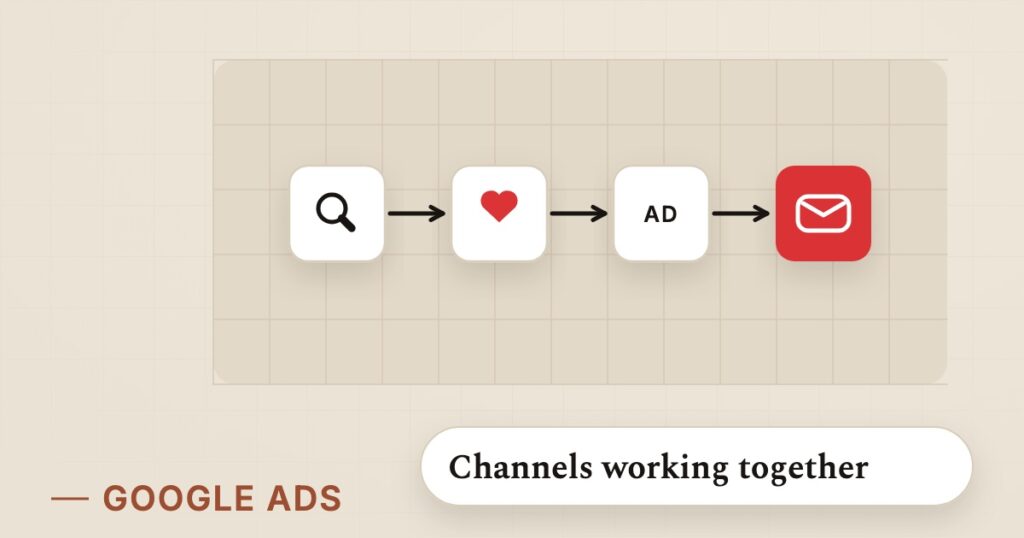
What digital marketing looks like for a Canberra business: search, social, PPC and email, and how the pieces work together rather than separately.
Geo-targeted keywords, ad copy that earns the click, landing pages built to convert and A/B testing. Running PPC properly in Canberra.
Local events, Canberra-based influencers, shareable content and interactive contests. What actually builds awareness for a Canberra business.
What custom website design should deliver for a Canberra business: tailored design, current UX standards, and how to choose a web developer you can work with.
What local knowledge adds to a website build: understanding the Wollongong market, end-to-end delivery, and support that continues after launch.
Firewalls, SSL certificates, real-time monitoring and regular backups: what protects a Wollongong website and the customer data on it.
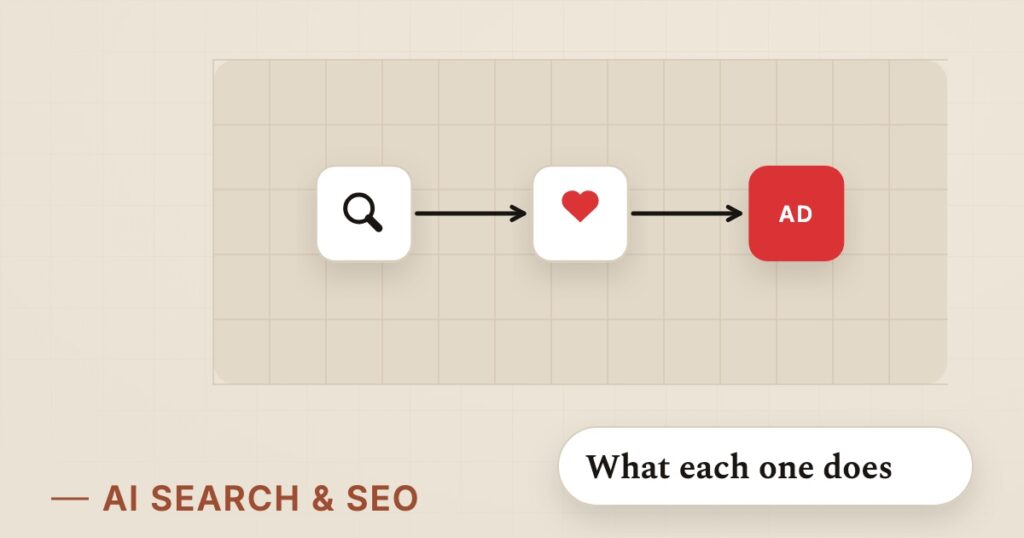
SEO, social media and PPC explained for a Wollongong business, with what each one does and when it is worth spending money on.
DIY builders are quick and cheap, but fall short on flexibility, SEO and growth. How to decide which is right for a Wollongong business.
Purposeful minimalism, speed, personalised content, chatbots and dark mode. Which website trends are worth following and which are not.
Which platforms work for a Wollongong audience, what to post, and how to turn followers into enquiries rather than just engagement.
How PPC and social media work together for a Wollongong business: targeted campaigns, content that suits the audience, and measurable results.
Threat monitoring, SSL, performance checks, updates and backups. What website maintenance and security actually involve for a Wollongong business.
Skip the template look. How a Wollongong business builds a site that stands out: original design, content worth reading, and mobile done properly.
How SEO grows a business: web design built for local audiences, the essentials worth getting right, and how to keep up as search changes.
Why security is non-negotiable, why maintenance matters just as much, how often to check, and when to do it yourself versus hand it over.
What SEO is, the elements that matter most, and how search engine optimisation changes what a Parramatta website brings in. With local examples.
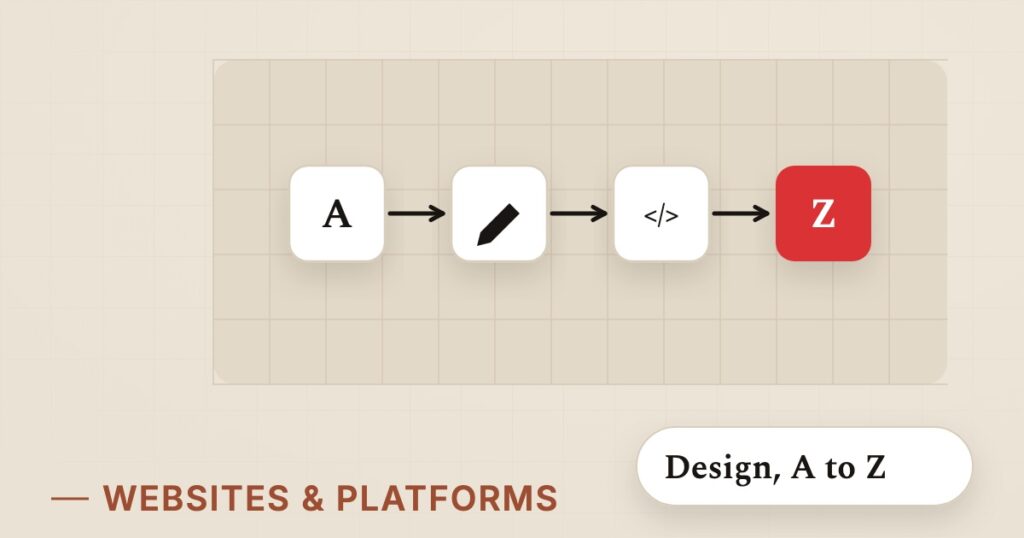
An A to Z of website design in Parramatta: aesthetic appeal, branding, content and development, and how the pieces fit together.
Navigation, mobile responsiveness and loading speed decide whether a Parramatta website works. Why functionality matters more than appearance.
Why a Parramatta business needs more than a website: how design, search and marketing work together to bring enquiries rather than just visits.
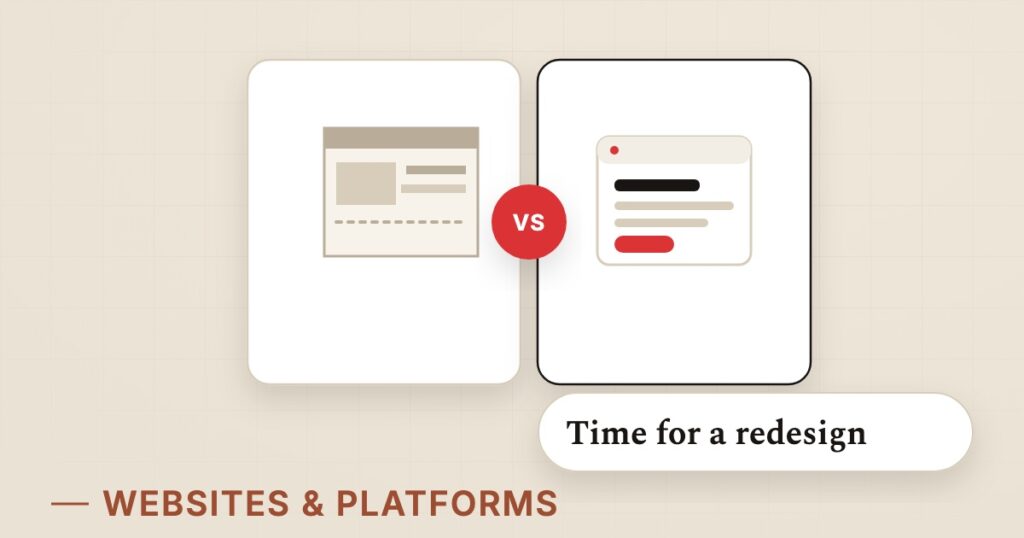
Dated colours and fonts, heavy graphics, and a site that fails on a phone. How to tell your website needs a redesign, and what to fix first.
What happens between the brief and the launch: planning, creative direction, user-centred design, visual storytelling, speed and security.
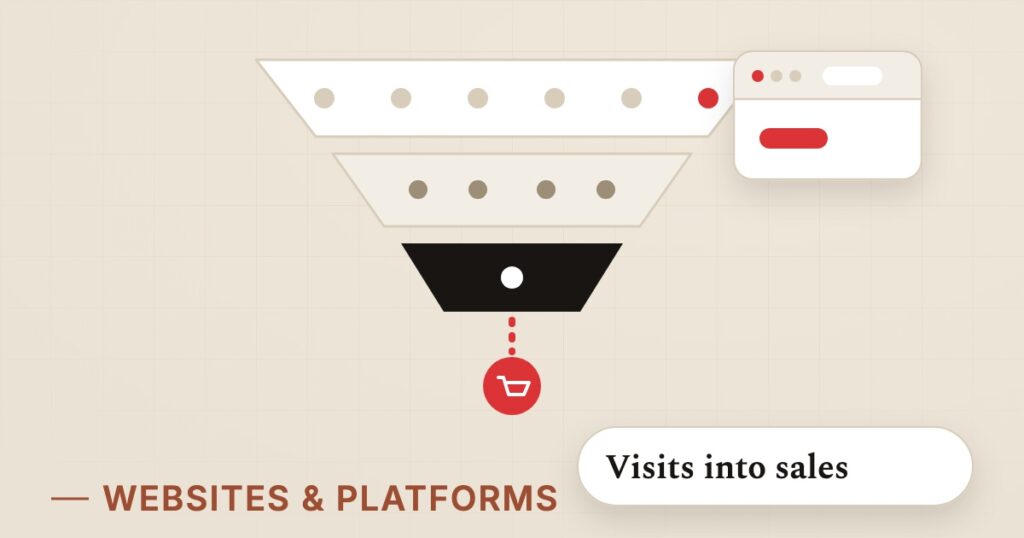
How web design affects sales: user experience, responsive design for mobile, SEO foundations and the brand storytelling that earns the enquiry.
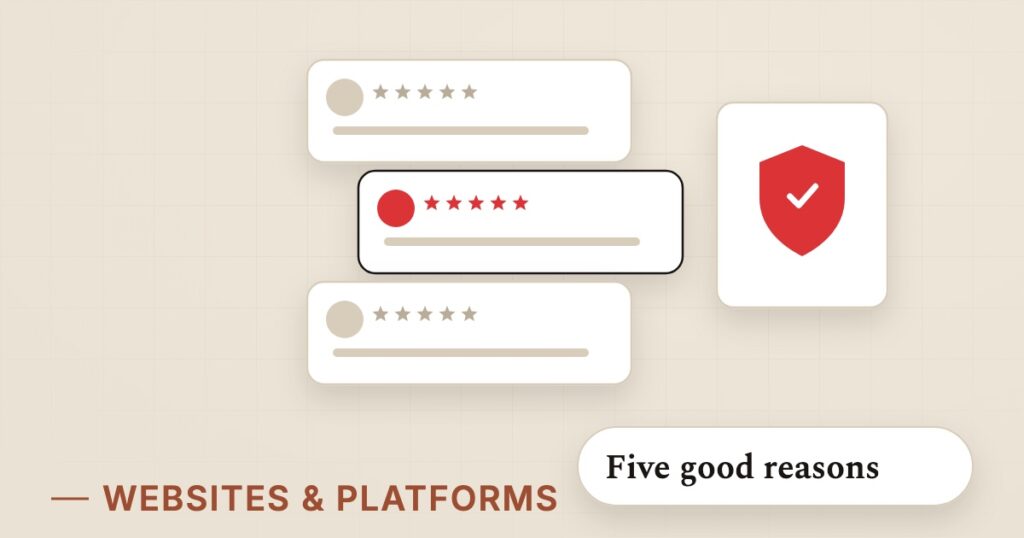
Fair pricing, quick delivery, a skilled in-house team and support after launch: five things worth looking for in a Sydney web design agency.
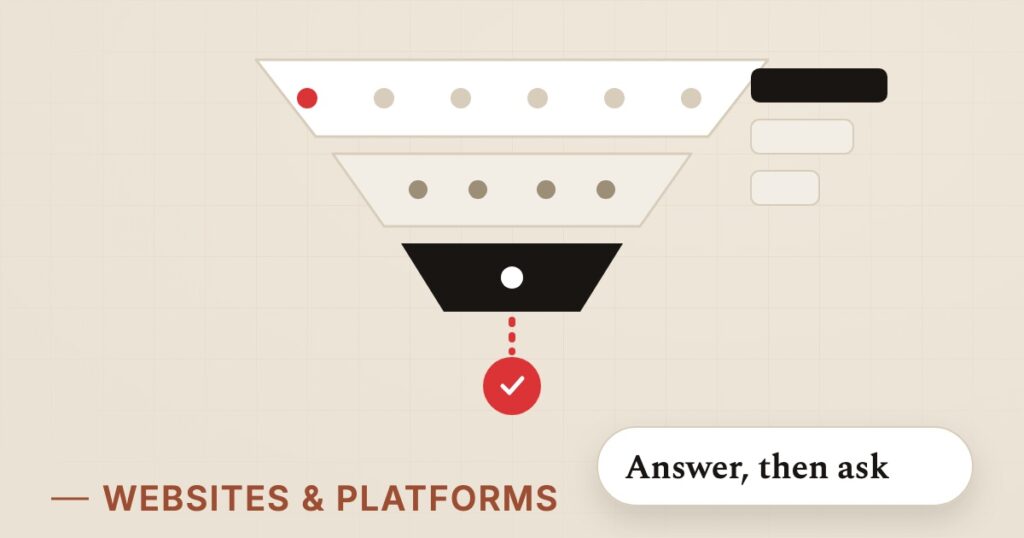
What makes a website convert: knowing your audience, visual hierarchy, mobile-first design and content that answers the question people arrived with.
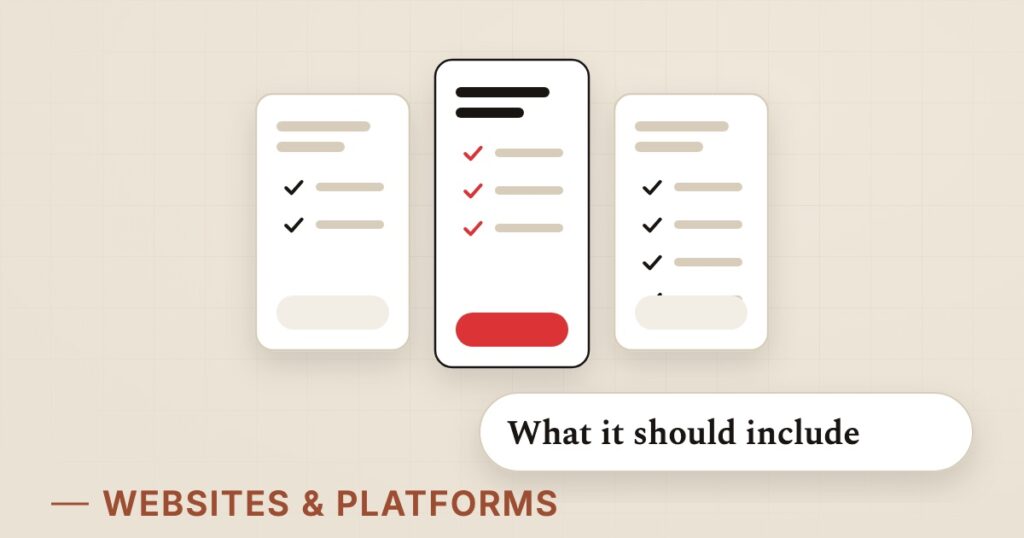
Responsive layouts, SEO foundations, fast load times and ongoing maintenance: what affordable custom web design should include in Sydney.
What effective web design involves: user experience, mobile responsiveness, fast loading, and the maintenance and security that keep it working.
Know your needs, examine the portfolio, read the testimonials. A practical way to choose a Sydney web design agency without guessing.
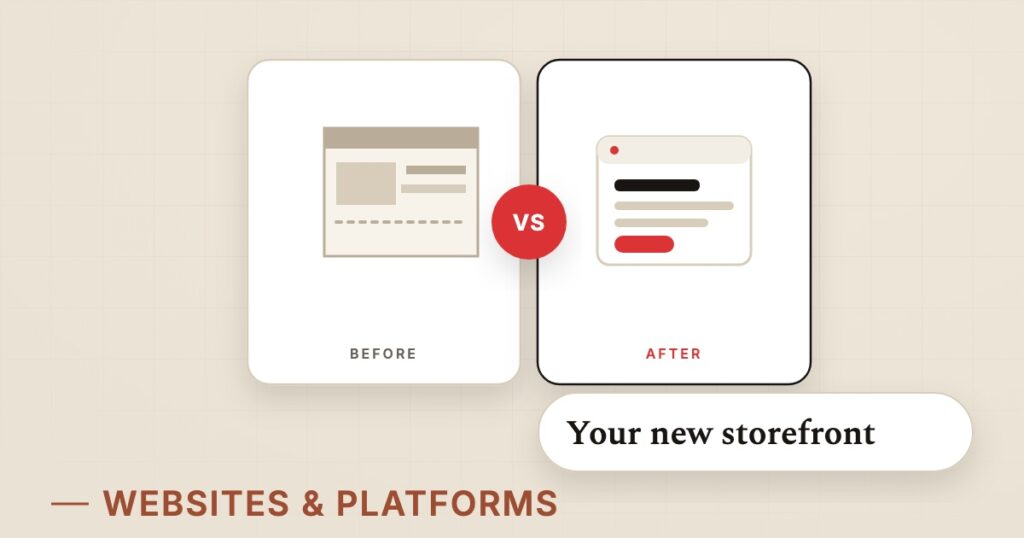
Your website is your storefront, business card and first impression at once. What a Sydney web design makeover involves, and what it should deliver.
First impressions, conversion rates and mobile performance: how professional web design changes what a Sydney website actually earns you.
Your website is your digital storefront. What good design, ongoing security and maintenance, and steady digital marketing do for a Sydney business.
Why a local Sydney web design agency helps: they know the market, build relationships face to face, and design for how local customers actually buy.
What separates a good Sydney web design company from the rest: design that earns trust, security that holds up, and SEO built in rather than bolted on.
Book a free digital audit and we’ll show you the quickest wins for your site.
📞 0485 023 123